
Sensory engagement specialist Joanna Grace shares her personal reflections on slowing down this Christmas — and finding connection through the sensory magic of the season.
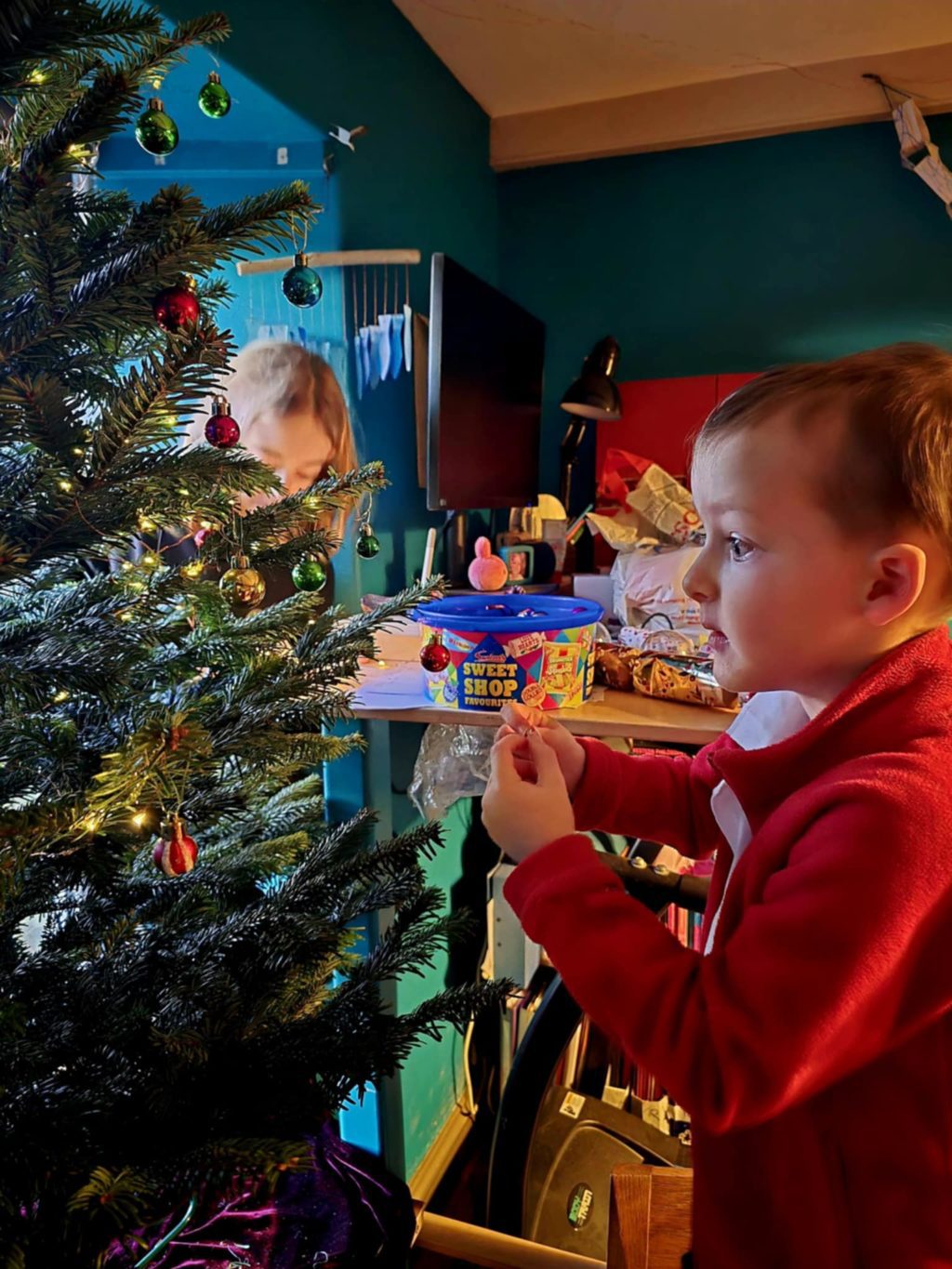
I let my children, and a few of their friends, decorate our Christmas tree this year, a sign that I am progressing as an adult. They broke a few of the decorations and put red baubles closer to other red baubles than I would have done, but it is still magical.
I get up before everyone else in the household; I am the first downstairs, and I switch on the lights in the dark. Every time, a little bit of awe ignites inside me. I stop and gaze for a little while.
I think we are all touched in some way by the sensory magic of Christmas. But as adults we are also touched by the franticness of Christmas.
Aside from that first glimpse of the tree in the morning, I have no time to stand and stare. My husband has ordered the food for Christmas dinner; we have a gift for Aunty Katie, but what do we get Uncle Mo? The parenting agility course set by school is well underway, and so far this year I am scoring well: we’ve rehearsed his line for the Christmas play (he’s a talking camel), sent in a contribution to the hamper, signed up for parents’ evening, sent him in with a pound for Children in Need, remembered to check the sizes of our Christmas jumpers before Christmas Jumper Day, sent in old toys for the fair, and jars stuffed with trinkets for the same.
It is striking that even amidst all the rushing around, the sight of a Christmas tree lit up can make us stop and say “oooo” for a moment. For people with profound and multiple learning disabilities, the sensory potential of Christmas is huge. But so, sadly, is the confusion that can arise from familiar rooms no longer appearing familiar, from things changing. The sensory clutter of Christmas can be disorientating.
Finding Time to Stand and Stare
For those with the most profound disabilities, what makes the difference between a magical Christmas and a slightly unnerving one is time. When we, as the people who love and care for them, find time to stand and stare, to join in with sensory engagement, we enter a space that they can enter too.
Do this with them, and you share that space together.
Connection and belonging become possible when we slow down from the mad rush of Christmas shopping, cooking, assemblies, and school plays, and take time to notice the sensations of Christmas.
Noticing the Different Sensations

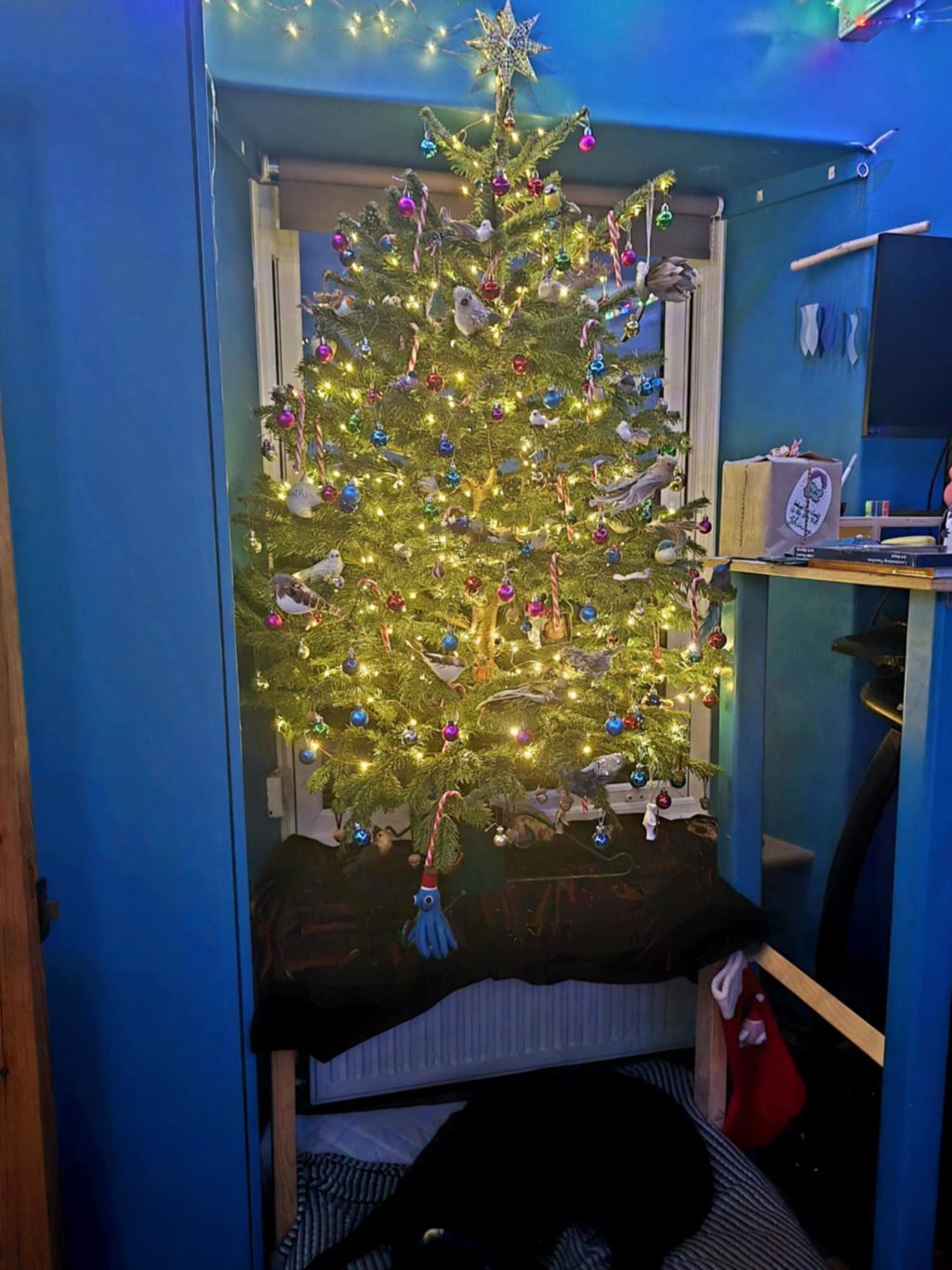
Our tree is a real one, the smell as you walk into the room tells you that. For most of the day ours is silhouetted against the window (we’ve not much space for it, so it has been built on a table above the dog’s bed). The view of it backlit is so different from the view of it in the morning, when the lights strung from its branches are the only source of light. Noticing the different sensations Christmas offers helps you know where to stand and stare, or pause and listen, or stop and smell. Christmas is rich with these sensory opportunities.
Sharing the Sensations Together
A loved one with profound and multiple learning disabilities might not be able to help decorate the tree in the way that my children’s friends did, but they can still be part of that moment of the year.
Placing decorations on a lap tray can enable you to share the sensation of touching baubles, tinsel, and the points of the star for the top of the tree together. Use the torch on your phone to illuminate things up close so that you get to see the twinkle and the shine together.

These moments of pause, of sensory engagement, not only bring your loved one into a place where Christmas connects with them, making it pleasurable rather than bewildering, they also connect you with the richness and beauty of what is going on around you, rescuing you momentarily from the cognitive load of calculating Christmas.
About the Author
Joanna Grace is a sensory engagement and inclusion specialist, author, educator and founder of The Sensory Projects. She works internationally supporting people with profound and multiple learning disabilities and advocates for meaningful, sensory-based connection.
Website: https://www.thesensoryprojects.co.uk/
Twitter/X: @Jo3Grace