What People Don’t See: Building an Online Identity with Cerebral Palsy and Dyslexia
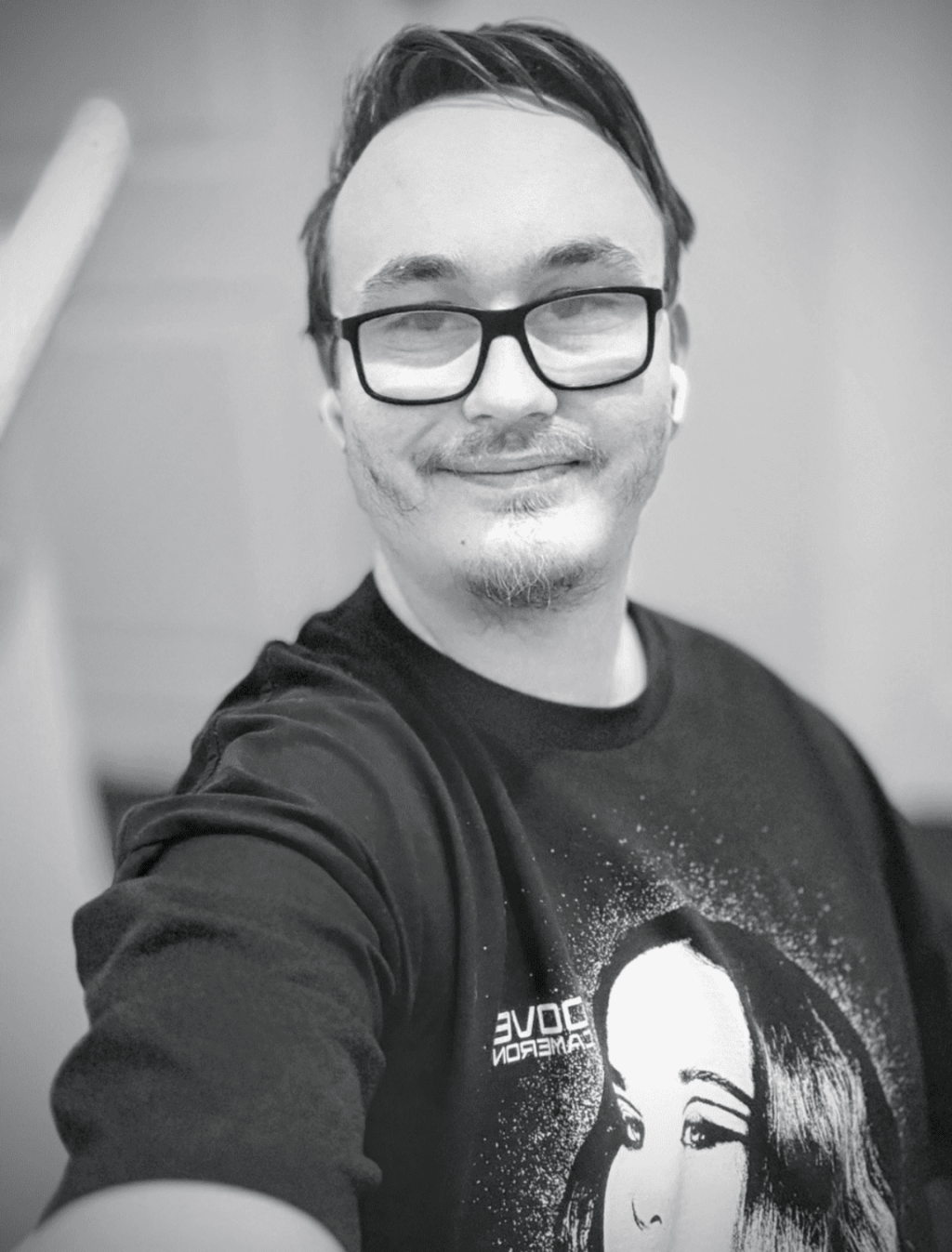
By Tom Davies, known online as DovelyTom
Nobody tells you that a 30-second video can take an entire day.
They see the finished thing – polished, posted, done in 30 seconds? They don’t see the three takes because my hand slipped. They don’t see me re-reading the caption seven times. They don’t see the days where I filmed something and then just couldn’t face editing it so it sat there for two days.
Disabled creators carry a hidden workload that nobody ever talks about!!
My name is Tom Davies – known online as DovelyTom – and I have cerebral palsy and dyslexia. I’ve been creating content since 2013, starting at 13 years old with no budget, no team, and no roadmap. I taught myself video editing, content strategy, SEO and digital branding entirely from scratch. What I’ve learned along the way is very different from most “how to grow online” advice.
When Your Body Sets the Pace
With cerebral palsy, my hands don’t always do what I want them to. Holding a phone for long filming sessions can be uncomfortable and tiring in ways that are hard to explain. With dyslexia, writing captions takes time – I can read something back several times and still miss mistakes that feel invisible to me but obvious to everyone else.
Voice-to-text (iPhone / Android) has made a huge difference. I use it for almost everything. Editing tools that are visual rather than text-heavy also help enormously.
But energy is the part that’s hardest to manage. Some days my body just says no.
And the creator economy doesn’t have a sick day policy.
The problem is that most platforms reward constant output. Posting every day, staying visible, keeping up momentum – that’s how the algo measures and rewards with growth.
There’s no ‘bad body day’ setting on TikTok. Miss a few days and the algorithm acts like you’ve quit. As a disabled creator, some days I simply can’t post. And the algorithm doesn’t care why – it just buries you.
The Work Behind the Content
Short-form content looks quick from the outside. It often isn’t.
A single video can involve:
- Multiple takes due to coordination difficulties
- Rewriting captions several times over
- Footage sitting unedited for days when energy runs out
That extra effort is rarely visible, but it shapes everything.
Most creators just have to make the content. Disabled creators have to make the process work first – and that’s a job nobody sees or credits.
@dovelytom This Is Why Dove Cameron Is Criminally Underrated 👀🥹💜i love you @Dove Cameron ♬ original sound – Dove Cameron
Figuring It Out Without a Blueprint
When I started in 2013 there was no TikTok, no CapCut, no accessible editing apps. Just trial and error.
I learned by watching other creators, reading what I could, and testing things myself.
SEO took me ages. I had to teach myself everything – watching other creators, reading articles, trial and error. No courses, no budget, just figuring it out myself. I still overthink my captions even now. But that’s okay.
If I was handing advice to a disabled creator starting today it would be simple:
- Start with your phone – you don’t need anything else
- Use voice to text to reduce the writing barrier
- Batch film on better days so you have content ready when energy is low
- Don’t wait for things to feel perfect – they never will be
The tools available now are genuinely more accessible than anything that existed when I started. Use them.
The Honest Truth About Money
This is something that needs more honesty than it usually gets.
I am not making money from this right now. And I think too many creators are too embarrassed to admit that.
For most people – especially disabled creators – building any kind of income through content takes a very long time and is never guaranteed. A lot of the work is unpaid for years.
There are also factors that almost never appear in mainstream creator advice but matter enormously to disabled people specifically:
- How any income affects benefits entitlements
- The energy cost of consistent output
- The hidden expense of adaptive tools you may need, and equipment
It’s also very hard to make money from content, and if you do start earning, working out how to report that safely and accurately while claiming benefits can create a lot of extra stress.
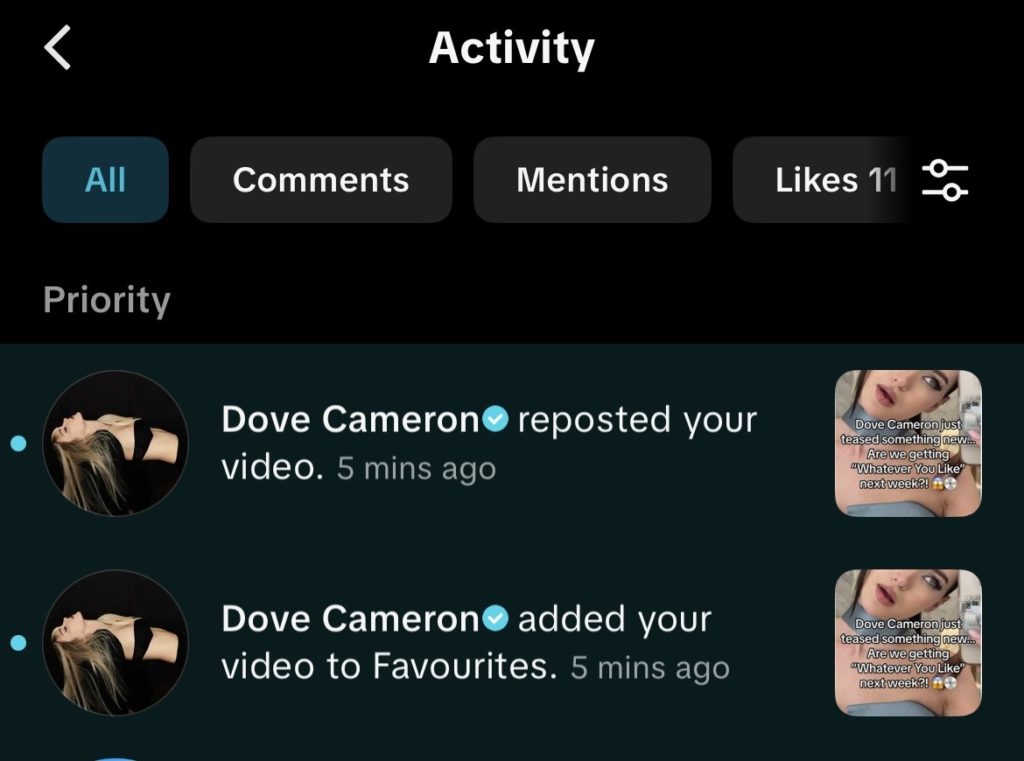
My next goal isn’t financial, it’s a direct comment from Dove Cameron. After 13 years, it’s the one thing that would close a circle that started when I was 13 years old and her work genuinely got me through something hard.
The Expectation to Always Be Positive
There’s this expectation that disabled people who are doing something creative have to be inspiring all the time. Like the story has to have a neat bow on it.
Sometimes it doesn’t. Sometimes it’s just hard and messy and you do it anyway – not because it’s inspiring, but because it’s yours.
I’ve posted raw videos with messy hair and no editing. I had to learn that was okay. Life is too short to only show the polished version.
What This Has Actually Given Me
I know I talk a lot about Dove Cameron. There’s a backstory to it. She helped me through some genuinely dark times. I grew up watching her, and her music still helps me on the hard days – I’ll put the album on and it helps me reflect and focus.
But what I didn’t expect was what the community gave back.
I had someone message me saying that watching my content made them feel like they were allowed to love Dove Cameron’s music this much. That their disability made them feel like they weren’t a “real” fan somehow – like they couldn’t go to concerts or keep up with everything – and seeing me exist loudly and passionately in this space made them feel like they had permission too.
That message made me cry. Like — wow, ok, this is something. That’s the bit that matters more than anything else.
What Needs to Change
Honestly? Platforms that don’t penalise you for not posting every single day. Because disabled creators can’t always do that – and we shouldn’t have to pretend otherwise.
Brands that see disability as part of culture, not just a box to tick. And ways to earn that don’t require you to be constantly ON.
That’s it really. It’s not complicated. It just hasn’t happened yet.
You Don’t Need to Have It Figured Out
Start with your phone. You don’t need anything else. Use voice to text for everything you can. Find your niche before you find your audience – know what you’re about first, the people will follow.
The fact that it’s harder for you doesn’t mean you’re doing it wrong. Start now. Don’t wait until you feel ready or capable enough.
You already are.
Building something slowly and imperfectly over a long time is still building something. Showing up on the hard days, even when nobody’s watching – that actually matters.
Your disability is part of your story. Not a barrier to it.
About Tom Davies
Tom Davies, known online as DovelyTom, is a 26-year-old British digital creator with cerebral palsy and dyslexia. He has been creating content since 2013. His favourite Dove Cameron song is Too Much and his favourite album is Alchemical Volume 1 — which still helps him on the hard days.
Find him on TikTok at @dovelytom and at doveytom.com
Share the reality behind disabled content creation on X
“Nobody tells you that a 30-second video can take an entire day. Disabled creators carry a hidden workload that most people never see.”
“There’s no bad body day setting on TikTok. As a disabled creator, some days you simply can’t post and the algorithm doesn’t care why.”
“The fact that it’s harder for you doesn’t mean you’re doing it wrong. Building something slowly and imperfectly still counts.”
From the Editor
Tom’s story is the first in a series we’re planning on disabled people building online income on their own terms — from fan communities and special interests to clipping, affiliate income and digital products.
If you’re a disabled creator, or you’ve found ways to earn online that work around your disability, we’d love to hear from you. And if you want to know more about the practical side — what tools help, how earnings affect benefits, and what’s actually worth your time in 2026 — watch this space.
Got a story or a tip? Get in touch I’d love to hear from you.
Duncan Edwards, Disability Horizons