
We were pleased to hear from Ben Graham, VP of Marketing at US-based adaptive clothing company Joe & Bella.
We invited Ben and his team to share the story behind their brand, how their adaptive clothing is designed, and what they’ve learned from working directly with disabled people, wheelchair users, and caregivers.
In this article, Joe & Bella explain how lived experience, dignity, and everyday practicality shape their approach to adaptive clothing design.
Written by Ben Graham, VP of Marketing at Joe & Bella
Adaptive clothing often begins with a simple question: How can getting dressed be made easier?
But for our team, the better question became: How can it be made better without taking away someone’s sense of self?
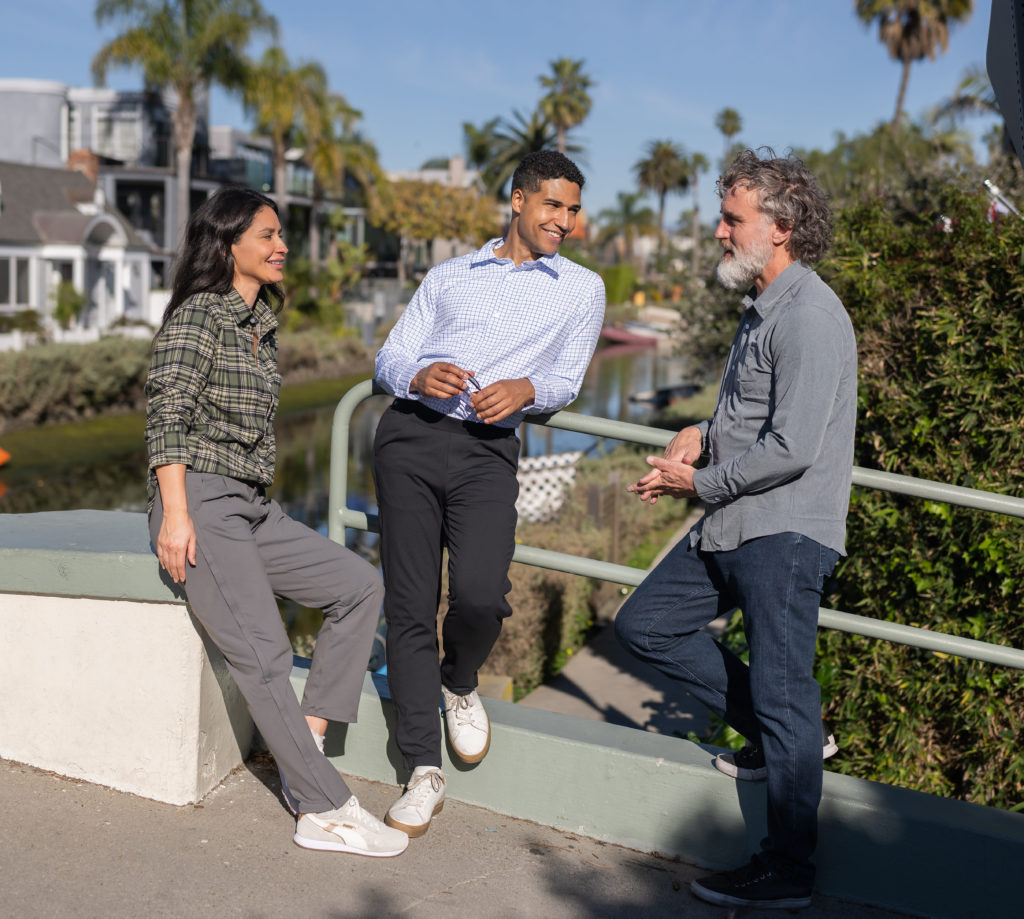
Joe & Bella was created after witnessing a moment that many families experience but few talk about openly. During a visit to a memory-care community, our co-founder and CEO, Jimmy Zollo, watched his grandmother struggle with something she had done independently her entire life. Buttons were difficult. Pants were uncomfortable. Clothing that was meant to help felt clinical and unfamiliar.
What stood out most was not the physical challenge. It was the emotional one. The clothes available to her no longer reflected who she was.
That moment became the starting point for a different approach to adaptive clothing.
When Function Alone Isn’t Enough
In many adaptive garments, function takes priority but often at the cost of dignity, confidence, or personal style.
We heard repeatedly from families and wearers that traditional adaptive clothing:
- Looked medical rather than personal
- Felt disconnected from modern fashion
- Focused on caregivers instead of the person wearing it
- Solved access problems but ignored emotional needs
- Felt cheap, uncomfortable and outdated
For people living with disability, chronic illness, or age-related mobility changes, clothing can quickly become a reminder of loss rather than independence.
We believed adaptive apparel could do more.
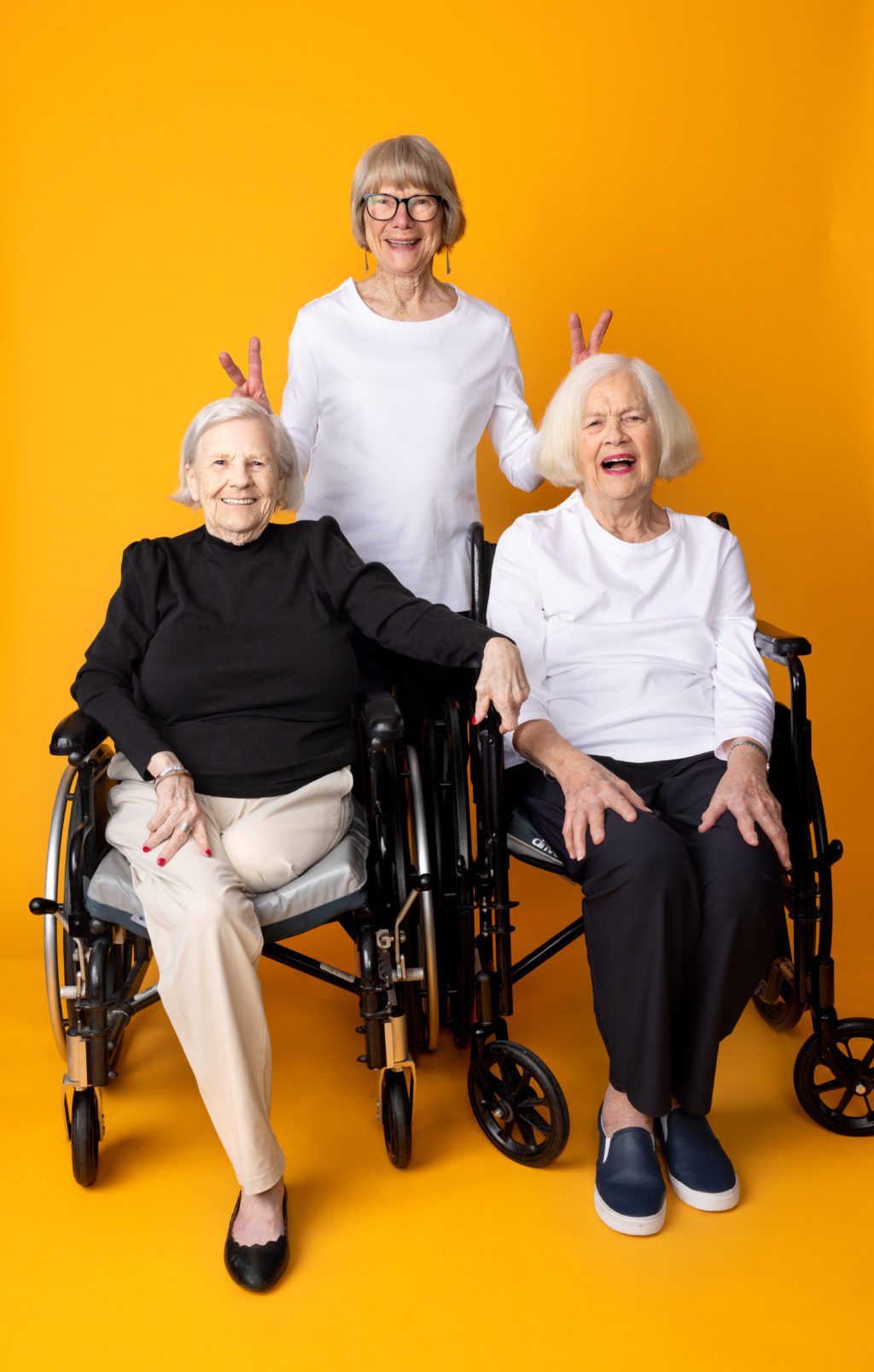
Listening First: Designing With Lived Experience
From the earliest stages, we chose not to design in isolation.
Instead, we worked directly with disabled adults, older individuals living independently, family caregivers, occupational therapists, and senior living professionals.
Their feedback shaped everything.
Early prototypes came back marked with notes. Zippers were too long. Magnets were too strong. Waistbands rolled. Fabric felt stiff when seated. Even tags caused irritation for some wearers.
Each detail mattered.
Instead of asking whether a garment functioned, we began asking how it felt to live in it.
Design Improvements Guided by Real Feedback
Many of our most meaningful design changes came directly from those conversations.
Feedback from wheelchair users highlighted issues designers often miss until garments are worn all day, seated. They noted concerns about fabric pressure points during extended sitting, waistband comfort during transfers, and the need for discreet access features that preserve dignity while addressing practical needs like catheter management.
For people with arthritis or limited hand mobility, small fastening changes can remove entire barriers. As one reviewer with arthritic hands noted: “My husband has issues with buttoning due to arthritic hands. These shirts look so nice and fit him so well, we bought two.”*
Another reviewer noted that magnetic closures mean “no pinching or precise finger movements required” — making dressing possible without assistance. [Graying With Grace, 2025]
These changes included:
- Refining magnetic closures so shirts aligned easily without snapping or pulling
- Adjusting zipper placement to allow access only where needed while preserving privacy
- Modifying fabric blends after wheelchair users noted pressure points during long periods of sitting
- Redesigning waistbands to prevent digging or rolling when transitioning between seated and standing positions
- Softening interior seams to reduce friction for sensitive skin
These were not cosmetic changes. They were responses to lived experience.
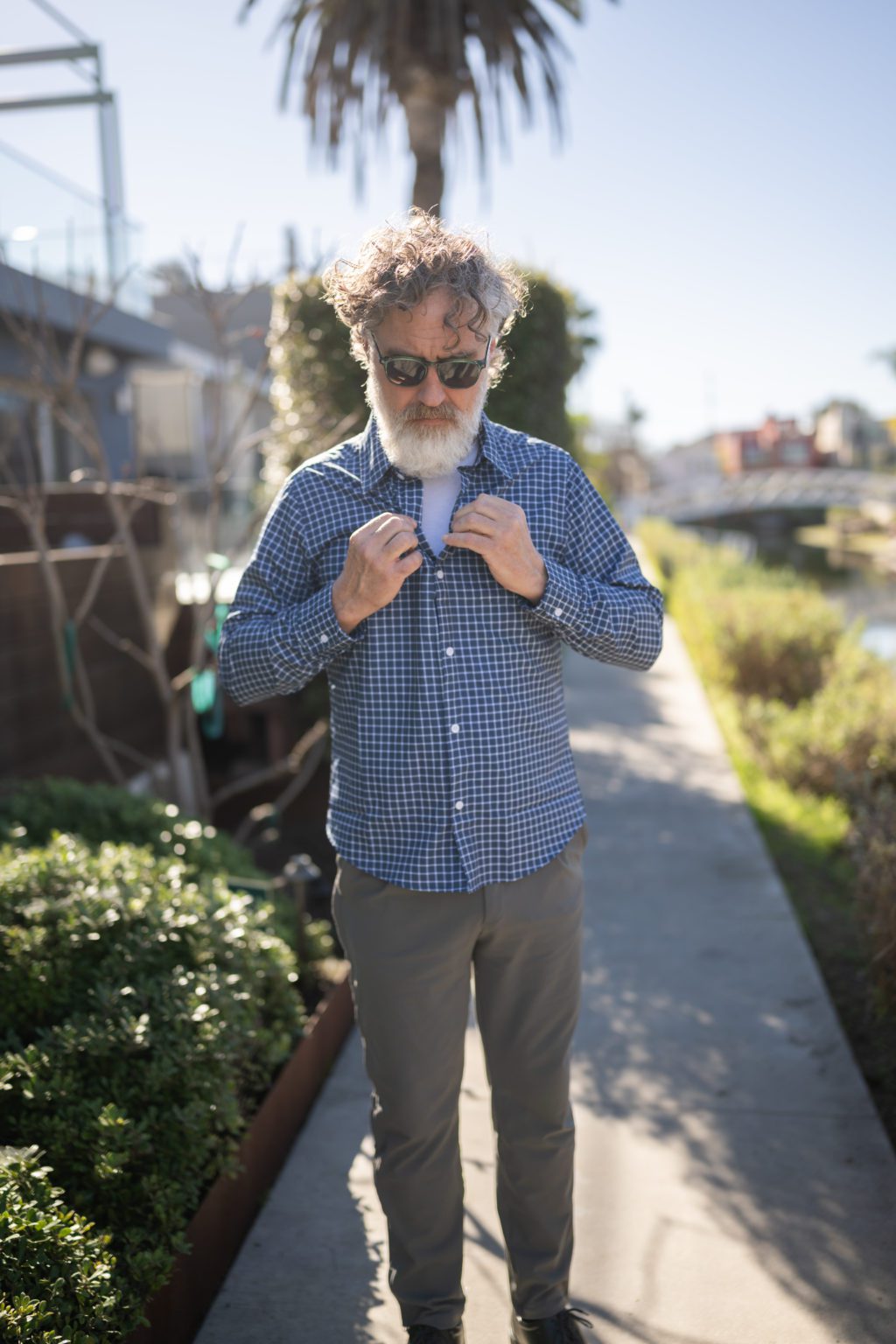
Who Adaptive Clothing Is Really For
Adaptive clothing supports far more people than many realize.
It is worn by individuals with arthritis or limited hand strength, people living with neurological conditions, stroke survivors relearning daily routines, wheelchair users who dress seated, and older adults who want clothing that works with their bodies rather than against them.
It is also often suggested by caregivers as a practical way to make daily dressing safer and calmer.
For many families, the difference is not convenience. It is relief.
When clothing works properly, dressing becomes faster, quieter, and far less emotionally charged for everyone involved.
Why Dignity Matters in Design
Clothing plays a powerful role in identity.
Many customers shared that wearing adaptive apparel that still looked familiar helped restore confidence, especially during times when so much else felt uncertain. For many people, adaptive apparel that maintains a sense of personal style plays an important role in preserving confidence and self-expression.
One caregiver told us: “It was the first time my dad looked in the mirror and recognized himself again.”
For those managing neurological conditions affecting fine motor control, the impact on daily independence can be significant. As one caregiver shared: “Makes dressing a breeze for my husband who struggles with tremors from Parkinson’s”*
Another customer with similar challenges noted: “I love the buttons are magnetic because I have shaky hands, making it hard for me to button things.”*
Moments like these reinforced our belief that inclusive design is not about creating special clothing. It is about creating thoughtful clothing.
Today, brands focused on adaptive clothing designed for ease, dignity, and independence are helping reshape how accessibility and everyday fashion intersect.
What Inclusive Design Means to Us
Inclusive design is not a finished product. It is an ongoing process.
We continue to refine garments based on customer reviews, wear-testing feedback, caregiver insight, and conversations with people living with disability.
Every update, from magnet strength to fabric weight, is guided by real use rather than assumptions.
Our goal remains simple: create clothing that supports independence without erasing individuality.
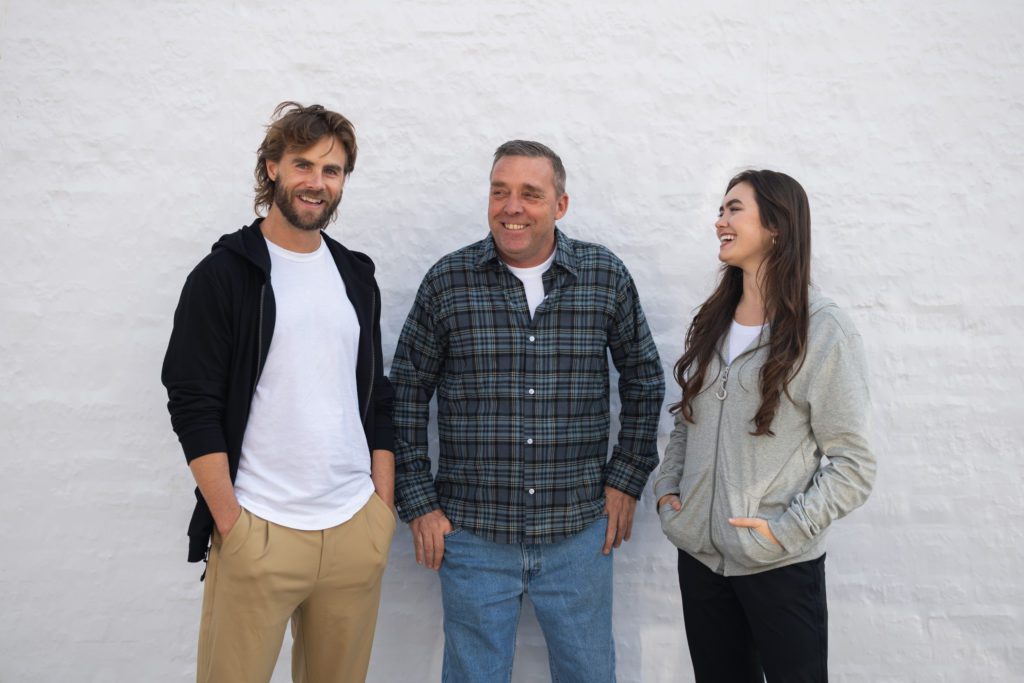
Looking Ahead
Adaptive clothing continues to evolve, and the future feels hopeful.
As more designers and brands commit to inclusive practices, accessible apparel is moving out of the margins and into everyday wardrobes where it belongs.
When clothing is created with empathy, collaboration, and intention, it does more than make dressing easier. It restores confidence, autonomy, and a sense of normalcy.
Sometimes, that can make all the difference.
As a thank you to Disability Horizons readers, Joe & Bella are offering 10% off a first order using the code HORIZON10 at checkout.
About the Author – Ben Graham
Ben Graham is Vice President of Marketing at Joe & Bella, a US-based adaptive clothing company. His work focuses on communicating how customer feedback and real-world use inform the brand’s approach to adaptive clothing design. Ben’s interest in adaptive apparel grew from family caregiving experience, where he saw first-hand how conventional clothing could fall short for people living with disability and age-related mobility changes.
* Quotes marked with an asterisk are from Amazon verified customer reviews.